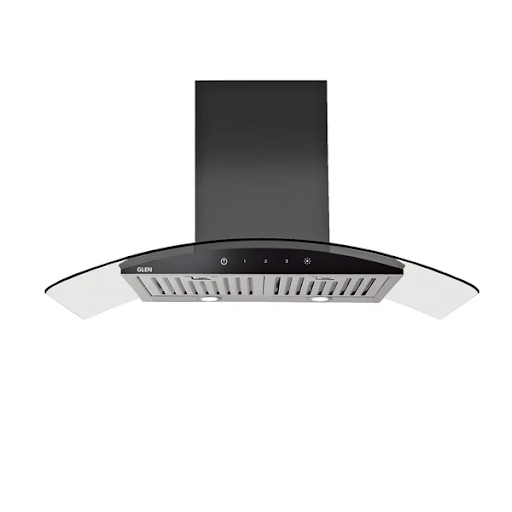
Are Curved Glass Chimneys Still in Trend in 2025?
The face of the Indian kitchen has been changed extensively over the last few years. From being a starkly useful place, it has end up to be the heart of every home, by being open, stylish, and efficient. The curved glass chimney is one design element that has stood the test of time most of the many that outline this metamorphosis.
Despite the influx of latest shapes and finishes in 2025, curved glass designs continue to be fresh. They are now more than only a cooking necessity as they have now come to be a stylish statement because of the blend of aesthetics, overall performance, and ease of renovation.
This informative write-up will discuss are curved glass chimneys still in trends or not. Continue reading to find out.
Why Are Curved Glass Chimneys Still Popular?
The use of lots of spices, frying, and the rich aromas that it produces in the kitchen daily are hallmarks of Indian cuisine. That means a kitchen chimney isn’t just about looks, but it is about maintaining the air clean and grease-free. Homeowners have tended to opt for designs that integrate current style and performance over the years.
The Indian chimneys and built-in hobs market value is growing. This steady growth isn’t just due to the need for better air quality, but it also because of the homeowners who now want products that match their modular kitchen setups.
Searches for the cost of kitchen chimney and best chimney for modular kitchen have risen on e-commerce sites, as people seek to upgrade their kitchen space. As indicated by this trend, people do not just search for information about functionality but also about style, durability, and longevity.
What Makes Curved Glass Chimneys Different?
While boxy, straight-lined designs are readily available, curved glass chimneys boast a sleek arched front in tempered glass, giving them an even classier look and allowing for better coverage above the stove. More recent models now often boast filterless and auto-clean technologies, making them quite low-maintenance big plus for families with little time to spare.
Another reason they continue to be popular is adaptability. Whether your kitchen is compact or open-plan, the curved canopy blends smoothly with different layouts. And while the cost of a kitchen chimney varies according to the suction power, size, and added features, many buyers today consider it worth the investment in hygiene and fashion.
When Does Buying a Curved Glass Chimney Make Sense?
Curved glass chimneys are ideal for kitchens where cooking involves a lot of oil and spices, especially in city homes. They are also a natural fit for homes that already have a modular design. Those who are planning a renovation should finalize the chimney for the modular kitchen during the early design phase. This way, the hood dimensions and the canopy style will fit well with the rest of the cabinetry and backsplash.
This is the primary reason people, especially new homeowners, like curved glass chimneys: they resonate well with the minimal and modern finish most apartments have nowadays. They ensure a clean, clutter-free look and effectively handle smoke and odour.
Where Do They Fit Best in Indian Homes?
Curved glass chimneys are most common in urban kitchens where space is at a minimum, while design expectations are high. It has been observed that the most popular design style in India is the wall-mounted chimney. They outperform the rest due to their compatibility with modular layouts.
It has also been observed that the suction power of 1,000 to 1,500 m³/hr is preferred by most Indian households, as it suits the way Indians generally cook. Such specifications are most commonly found in curved glass models, making them even more relevant.
While comparing the cost of kitchen chimney for homeowners, it’s really important not to go by the initial cost of the product. Installation, ducting, and maintenance costs play a key role in long-term satisfaction. A well-designed chimney for the modular kitchen improves air quality and protects walls and cabinets from oil stains and soot.
How to Decide if a Curved Glass Chimney Is Right for You?
To be able to determine if a curved glass chimney is right for your kitchen or not, start with your cooking habits. The meals, including frying or extensively seasoned, will require higher suction power. The other important factor is space: a 60 cm chimney works fine for a small stove, while its 90 cm version fits larger ones.
It is also pretty easy to maintain: modern curved glass models commonly come fitted with motion sensors, LED lighting, and oil collector trays, which make cleaning a far easier procedure. The cost of kitchen chimney may go up with such advanced features, but many users find that the convenience and durability justify it.
For those with a modular layout, it’s wise to ensure the chimney blends well with the cabinetry. A good chimney for modular kitchen should be functional and visually well-balanced with the general design theme.
So, is the curved glass chimney still in?
Of course, curved glass chimneys are the ones that dominate Indian homes in 2025, despite the arrival of minimalist and pyramid-style designs. The reason is, they combine function with form, modernity with durability, making them relevant in premium and mid-range kitchens. They represent the right mix of technology and style-something that speaks directly to today’s homeowner’s heart.
Trusted Brands That Blend Style and Innovation
For those in pursuit of reliable options, Glen Appliances continues to be a name of trust in the kitchen for appliances. Its collection of curved glass chimneys features auto-clean, filterless design, and motion sensors, aptly suited for the modern modular kitchens.
Each model is designed to cater to the requirements of Indian cooking, meeting both performance and elegance. See their entire collection of stylish chimneys on their official site. Whether upgrading the kitchen or building one from scratch, a curved glass chimney adds the final touches of comfort, cleanliness, and class.
Stay in touch to get more updates & news on Techsslash!