Child Development Friendly Home Environment Design Ideas for Safe and Learning Spaces
Creating a home that supports a child’s physical safety, emotional well-being, and intellectual growth is one of the most meaningful investments parents can make. A child development friendly home environment is not just about decorating a room with toys and bright colors—it is about thoughtfully designing spaces that encourage curiosity, independence, creativity, and safety at every stage of growth.
Children learn continuously from their surroundings. The layout of furniture, the availability of learning materials, the level of safety in the environment, and even lighting and color choices all influence how a child behaves and develops. A well-designed home can become a powerful learning ecosystem that supports cognitive development, emotional stability, and healthy habits.
This guide explores practical and modern home design ideas that help create safe, engaging, and development-focused environments for children.
Why Home Environment Matters for Child Development
A child’s early environment plays a crucial role in shaping brain development, behavior patterns, and learning abilities. Unlike structured classrooms, the home is where children spend most of their time, especially in early years. This makes it the primary space for emotional bonding, sensory learning, and behavioral modeling.
When a home environment is thoughtfully designed, it can:
- Encourage independent learning and exploration
- Improve focus and cognitive development
- Enhance emotional security and confidence
- Reduce safety risks and accidents
- Build creativity and problem-solving skills
On the other hand, cluttered, unsafe, or overstimulating environments can lead to distraction, anxiety, or limited learning engagement.
Safety-Centered Home Design for Children
Safety is the foundation of any child-friendly home environment. Before focusing on learning or creativity, it is essential to ensure that the space is physically safe for children of different age groups.
Child-Proofing Furniture and Layout
Sharp corners, unstable furniture, and accessible hazardous items can pose serious risks. Using rounded-edge furniture, securing shelves to walls, and keeping heavy objects out of reach significantly reduces accidents.
Creating open walking spaces also helps prevent tripping hazards and allows children to move freely without restriction.
Electrical and Hazard Protection
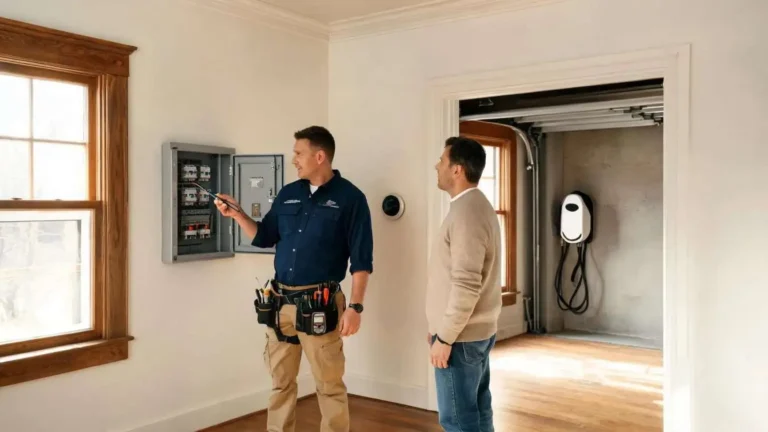
Covering electrical sockets, organizing cables, and keeping cleaning chemicals locked away are essential safety measures. Kitchens and bathrooms should have restricted access or safety locks for younger children.
Safe Flooring Choices
Soft flooring materials like carpets, foam mats, or rubber flooring reduce injury risk during falls. These materials also create a comfortable play area for toddlers and younger children.
Learning-Focused Space Design
A child-friendly home should naturally encourage learning through interaction, exploration, and creativity. Dedicated learning zones help children associate certain areas with focus and study.
Study Corners That Encourage Focus
A small, quiet study corner with proper lighting, a child-sized desk, and minimal distractions can significantly improve concentration. Natural light is especially beneficial for reducing eye strain and improving alertness.
Keeping study materials organized and easily accessible helps children develop responsibility and independence.
Interactive Learning Walls
Walls can be transformed into learning tools using whiteboards, chalkboards, alphabet charts, or number grids. These interactive surfaces allow children to draw, write, and explore ideas freely.
Such setups encourage active learning rather than passive observation, making education more engaging.
Play-Friendly Home Environment Design
Play is a critical part of child development. It supports cognitive growth, motor skills, and emotional expression. A well-designed home should include safe and stimulating play areas.
Dedicated Play Zones
Creating a specific area for toys and games helps children understand boundaries while encouraging creativity. This space should be clutter-free, safe, and easy to clean.
Storage bins and labeled boxes help children learn organization from an early age.
Sensory Play Areas
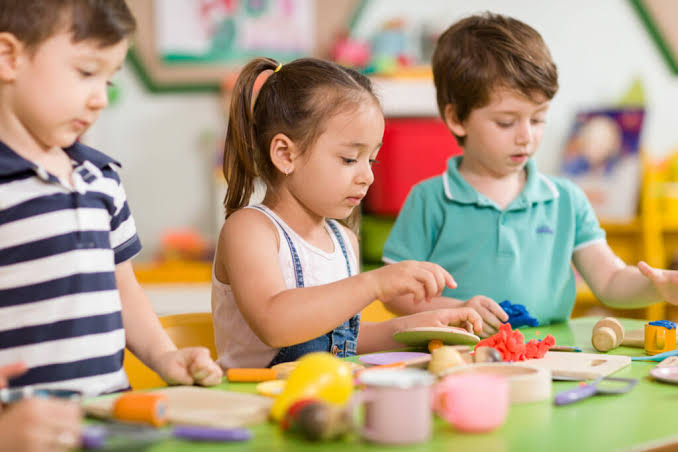
Sensory development is essential in early childhood. Incorporating textures, colors, and interactive materials helps stimulate brain development. Soft mats, building blocks, puzzles, and tactile toys are ideal additions.
Furniture Design for Child Development
Child-friendly furniture should be both safe and functional. It should support independence while ensuring safety and comfort.
Child-Sized Furniture
Furniture designed according to a child’s height and reach encourages independence. When children can sit, reach, and organize things on their own, it builds confidence and self-reliance.
Multi-Functional Furniture
Space-saving furniture like storage beds, foldable study tables, and modular shelving helps maintain organization while maximizing space efficiency.
Rounded and Soft Edges
Furniture with rounded edges reduces injury risk and creates a safer environment for active children.
Encouraging Creativity Through Home Design
Creativity is a key part of cognitive development. A home environment should inspire imagination and experimentation.
Art and Craft Zones
A small creative corner with drawing supplies, craft materials, and coloring tools encourages artistic expression. This space should be easily washable and organized.
Displaying Children’s Work
Displaying artwork or school projects on walls or shelves builds confidence and encourages continued effort. It reinforces positive self-expression and achievement.
Importance of Natural Light and Ventilation
Natural light is essential for both physical and mental well-being. It improves mood, supports vitamin D production, and enhances focus.
Well-ventilated spaces ensure fresh air circulation, which is important for healthy brain development and concentration. Rooms with windows that allow sunlight and airflow create healthier learning environments.
Technology Integration in Child-Friendly Homes
Modern homes often include digital learning tools, but they must be used responsibly.
Controlled Screen Zones
Designating specific areas for screen time helps manage usage and prevents overexposure. This encourages healthier habits and better focus.
Educational Technology Spaces
When used correctly, tablets and computers can support learning. A structured digital corner helps balance education and entertainment.
Emotional Comfort and Bonding Spaces
A child-friendly home should also support emotional development. Spaces that encourage family interaction help build trust and communication skills.
Family Activity Areas
Shared spaces for reading, games, or conversations strengthen family bonds and improve emotional security.
Quiet Relaxation Corners
Children also need calm spaces where they can relax, reflect, or unwind. Soft lighting, comfortable seating, and minimal noise help create emotional balance.
Common Mistakes in Child-Friendly Home Design
Many homes unintentionally overlook important factors in child development design.
One common mistake is overloading rooms with too many toys or decorations, which can create distraction and clutter. Another is ignoring safety measures like securing furniture or covering electrical points.
Lack of defined spaces for learning, play, and rest can also reduce structure and affect behavior patterns.
FAQs
What makes a home environment child-friendly?
A child-friendly home is safe, organized, and designed to support learning, creativity, emotional comfort, and physical development.
Why is space design important for child development?
Space design influences how children learn, behave, and interact with their environment, shaping their cognitive and emotional growth.
What colors are best for children’s rooms?
Soft colors like light blue, green, and warm yellow are ideal as they promote calmness, focus, and creativity without overstimulation.
How can I make my home safer for young children?
Child-proofing furniture, securing electrical outlets, removing sharp objects, and using soft flooring can significantly improve safety.
Is technology good for child development at home?
Yes, when used in moderation and in structured spaces, technology can support learning and creativity.
Final Thoughts
A child development friendly home environment is a powerful foundation for healthy growth, learning, and emotional well-being. By combining safety, structured learning areas, creative zones, and thoughtful design choices, parents can create a space that naturally supports a child’s development.
Small changes such as better organization, safe furniture, balanced colors, and dedicated learning and play areas can make a significant difference. Ultimately, a well-designed home does more than provide shelter—it becomes a nurturing environment where children can grow, explore, and thrive confidently.