DIY vs. Hiring a Professional Contractor: Costs, Advantages, Risks, and Best Use Cases
Home improvement projects can transform a house into a more comfortable, functional, and valuable place to live. Whether you’re remodeling a kitchen, replacing flooring, painting walls, or building a deck, one important decision comes first: should you do the work yourself or hire a professional contractor?
Both options have clear advantages and disadvantages. A DIY (Do-It-Yourself) project may help you save money and give you a sense of accomplishment, while hiring a professional often delivers higher-quality results, faster completion times, and fewer costly mistakes. The right choice depends on your budget, skills, available time, project complexity, and long-term goals.
This guide explores the costs, benefits, risks, and best situations for each approach, helping homeowners make informed decisions before starting their next home improvement project.
Understanding DIY Home Improvement
DIY home improvement refers to completing renovation, repair, maintenance, or construction work without hiring a professional contractor. Homeowners rely on their own knowledge, tools, online tutorials, books, or advice from experienced friends.
DIY projects have become increasingly popular because educational resources are more accessible than ever. Many people enjoy learning practical skills while reducing labor costs.
Common DIY projects include:
- Interior painting
- Installing shelves
- Landscaping
- Garden maintenance
- Replacing cabinet hardware
- Building furniture
- Installing backsplashes
- Minor plumbing repairs
- Basic electrical fixture replacement
- Decorating and organization
These projects generally require limited technical expertise and involve relatively low safety risks.
Understanding Professional Contractors
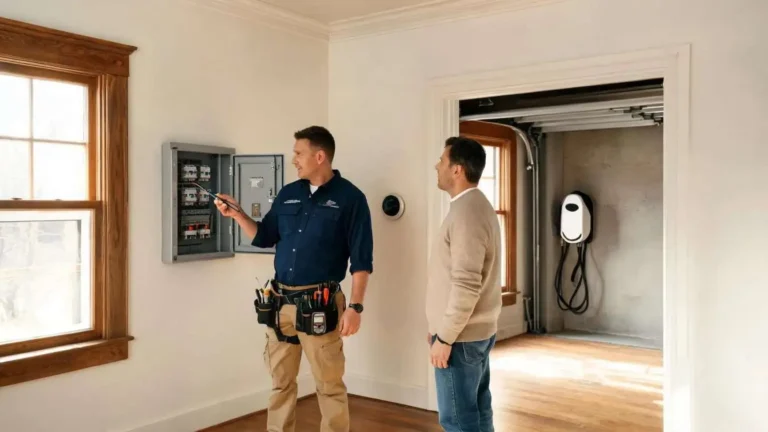
Professional contractors specialize in construction, remodeling, repairs, and home improvement services. They possess training, experience, specialized equipment, insurance, and often required licenses depending on local regulations.
Contractors may work independently or manage teams of specialists such as:
- Electricians
- Plumbers
- Roofers
- Carpenters
- Painters
- Tile installers
- HVAC technicians
- Structural engineers
Professional contractors oversee planning, scheduling, purchasing materials, obtaining permits, and ensuring work complies with local building codes.
Comparing Costs
Cost is often the first factor homeowners consider.
DIY Costs
A DIY project typically includes:
- Materials
- Rental equipment
- Tool purchases
- Safety equipment
- Waste disposal
- Transportation
Labor costs are essentially eliminated, making DIY attractive for budget-conscious homeowners.
For example:
Painting a bedroom yourself may cost only the paint, brushes, rollers, and supplies.
Installing laminate flooring yourself requires purchasing flooring materials and renting cutting tools.
However, mistakes can increase expenses significantly.
Incorrect measurements, damaged materials, or poor installation often require buying replacement products or eventually hiring professionals to fix the work.
Professional Contractor Costs
Hiring a contractor includes:
- Labor
- Materials
- Project management
- Equipment
- Insurance
- Permits
- Cleanup
- Warranty coverage
Although contractor pricing is higher, experienced professionals typically complete work efficiently and correctly the first time.
Professional services often reduce future repair costs caused by improper installation.
Advantages of DIY Projects
Lower Overall Costs
The largest benefit is saving labor expenses, which often represent a major portion of renovation costs.
Flexible Schedule
Homeowners can work evenings, weekends, or whenever convenient without coordinating with contractors.
Learning New Skills
DIY projects provide practical experience that builds confidence and expands maintenance knowledge.
Many homeowners discover enjoyable hobbies through woodworking, landscaping, painting, or home repairs.
Personal Satisfaction
Completing a project yourself creates a strong sense of accomplishment.
Many people appreciate seeing tangible results created through their own effort.
Greater Creative Control
DIY allows complete freedom over:
- Design
- Colors
- Materials
- Schedule
- Project modifications
Changes can be made at any stage without negotiating additional labor charges.
Disadvantages of DIY Projects
Lack of Experience
Many home improvement tasks require specialized knowledge.
Without experience, mistakes become more likely.
Time-Consuming
Professionals often complete projects in days that might take homeowners weeks or months.
Busy work schedules can delay project completion.
Tool Investment
Some projects require expensive equipment that may only be used once.
Examples include:
- Tile saws
- Concrete mixers
- Power nailers
- Floor sanders
- Drywall lifts
Purchasing or renting these tools adds unexpected costs.
Safety Risks
Construction work can involve:
- Electrical hazards
- Falls
- Heavy lifting
- Sharp tools
- Dust exposure
- Chemical exposure
Without proper safety procedures, injuries become more likely.
Building Code Violations
Improper electrical, plumbing, or structural work may fail inspections and create legal or insurance problems later.
Advantages of Hiring a Professional Contractor
Professional Expertise
Experienced contractors understand construction techniques developed through years of practical work.
They recognize potential issues before they become expensive problems.
High-Quality Workmanship
Professional installation generally produces:
- Better finishes
- Improved durability
- Greater structural integrity
- Higher property value
Attention to detail often exceeds what inexperienced homeowners can achieve.
Faster Completion
Professionals follow organized schedules and complete work efficiently.
A bathroom remodel that takes a homeowner several weekends may take professionals only a few days.
Proper Equipment
Contractors own specialized tools designed for efficiency and precision.
This improves both speed and quality.
Warranty Protection
Many contractors guarantee their workmanship.
If problems arise after completion, repairs may be covered under warranty.
Building Code Compliance
Licensed contractors understand local regulations and permit requirements.
Proper compliance protects homeowners during inspections and future property sales.
Disadvantages of Hiring Professionals
Higher Cost
Labor is often the most expensive part of any renovation project.
Professional services significantly increase total project costs.
Scheduling Challenges
Popular contractors may be booked weeks or months in advance.
Project timelines sometimes depend on contractor availability.
Less Personal Involvement
Some homeowners enjoy participating directly in improvements.
Hiring professionals reduces personal involvement throughout the project.
Contractor Quality Varies
Not all contractors provide the same level of service.
Poor communication, missed deadlines, or low-quality workmanship can occur if homeowners fail to research contractors carefully.
Risks of DIY Projects
Several risks should be considered before choosing the DIY route.
Structural Damage
Removing walls without understanding load-bearing structures can compromise a home’s stability.
Electrical Hazards
Incorrect wiring increases fire and shock risks.
Electrical work often requires permits and inspections.
Plumbing Mistakes
Improper plumbing installation can cause:
- Water leaks
- Mold growth
- Structural damage
- Increased repair costs
Lower Home Value
Poor-quality workmanship may reduce buyer confidence during resale.
Home inspectors frequently identify DIY mistakes.
Increased Repair Expenses
Incorrect installation sometimes costs more to repair than hiring professionals initially.
Risks of Hiring Contractors
Although professionals reduce many risks, some still exist.
Hiring Unqualified Contractors
Choosing the lowest price without checking qualifications may result in poor workmanship.
Hidden Costs
Unexpected structural issues sometimes increase project costs after work begins.
Communication Problems
Misunderstandings regarding design expectations or materials may create dissatisfaction.
Project Delays
Weather, supply shortages, or labor availability may extend completion dates.
Projects Best Suited for DIY
Many home improvement projects are ideal for homeowners with basic skills.
Examples include:
Interior Painting
Painting is affordable, beginner-friendly, and requires minimal specialized knowledge.
Landscaping
Planting flowers, trimming shrubs, laying mulch, and maintaining gardens are excellent DIY activities.
Installing Shelving
Wall-mounted shelving improves organization while requiring only basic tools.
Replacing Cabinet Hardware
Updating knobs and handles provides an inexpensive kitchen refresh.
Weatherproofing
Installing weather stripping, door seals, and window insulation improves energy efficiency.
Furniture Assembly
Building storage units, bookshelves, and simple furniture is manageable for most homeowners.
Projects Best Left to Professionals
Some renovations involve significant safety or structural concerns.
Roof Replacement
Roofing requires fall protection, specialized installation techniques, and weather-resistant construction.
Electrical System Upgrades
Electrical work demands professional expertise to prevent fire hazards and ensure code compliance.
Major Plumbing Projects
Replacing water lines or installing new plumbing systems requires technical knowledge and proper permits.
Foundation Repairs
Structural repairs affect the safety and stability of the entire house.
HVAC Installation
Heating and cooling systems require precise installation for efficiency and safety.
Large Kitchen Remodels
Complex remodels often involve plumbing, electrical work, cabinetry, flooring, and structural modifications.
Professional coordination ensures smooth project management.
How to Decide Between DIY and Hiring a Contractor
Ask yourself several important questions before beginning any project.
Do You Have the Necessary Skills?
Honestly evaluate your experience.
Simple projects may require only basic knowledge, while advanced renovations demand professional expertise.
How Much Time Do You Have?
DIY projects require planning, purchasing materials, learning techniques, and completing the work.
If time is limited, hiring professionals may be more practical.
What Is Your Budget?
If labor costs exceed your budget, DIY may be a reasonable option for lower-risk projects.
However, avoid sacrificing quality on projects involving safety.
What Happens If You Make a Mistake?
Consider the consequences.
Painting errors are easy to fix.
Structural mistakes can cost thousands of dollars.
Does the Project Require Permits?
Many structural, electrical, and plumbing renovations require permits and inspections.
Professional contractors often handle this process.
Hybrid Approach: The Best of Both Worlds
Many homeowners combine DIY efforts with professional services.
For example:
- Paint walls after professionals install drywall.
- Handle demolition before remodeling begins.
- Install decorative fixtures after licensed electricians complete wiring.
- Landscape the yard after contractors finish structural work.
This hybrid strategy reduces labor costs while protecting the quality of complex work.
Tips for Successful DIY Projects
If you choose the DIY route, consider these recommendations:
- Start with smaller projects.
- Watch multiple instructional resources before beginning.
- Read manufacturer instructions carefully.
- Purchase quality materials.
- Wear proper safety equipment.
- Measure carefully before cutting materials.
- Allow extra time for unexpected challenges.
- Know when to stop and seek professional assistance.
Patience and preparation often determine the success of DIY renovations.
Tips for Hiring the Right Contractor
If hiring a professional, follow these best practices:
- Request multiple estimates.
- Verify licenses where required.
- Confirm insurance coverage.
- Read customer reviews.
- Ask for references.
- Review previous projects.
- Obtain a written contract.
- Clarify payment schedules.
- Discuss project timelines.
- Understand warranty coverage before work begins.
Thorough research helps avoid costly disappointments.
Long-Term Value Considerations
While DIY often saves money initially, professionally completed projects frequently offer better long-term value.
High-quality workmanship can:
- Increase property value.
- Reduce maintenance needs.
- Improve energy efficiency.
- Extend the lifespan of building materials.
- Enhance buyer confidence during resale.
Conversely, poorly executed DIY work may require expensive repairs or reduce market appeal.
The best investment depends on the project’s complexity, your experience, and your long-term plans for the property.
Conclusion
Choosing between DIY and hiring a professional contractor is not simply about saving money—it’s about balancing cost, quality, safety, and long-term value. DIY projects are excellent for homeowners who enjoy learning new skills and tackling smaller, lower-risk improvements. They offer flexibility, personal satisfaction, and significant labor savings when completed correctly.
Professional contractors, however, bring expertise, efficiency, specialized equipment, and code compliance to more complex renovations. Their experience helps minimize mistakes, protect your investment, and deliver lasting results, particularly for structural, electrical, plumbing, roofing, and large remodeling projects.
Before making your decision, carefully evaluate your skills, available time, budget, safety considerations, and the complexity of the work involved. In many cases, combining DIY efforts with professional services provides the ideal balance—allowing homeowners to reduce costs while ensuring critical tasks are completed to the highest standards. Ultimately, the smartest choice is the one that produces a safe, durable, and successful improvement that enhances both your home and your peace of mind.