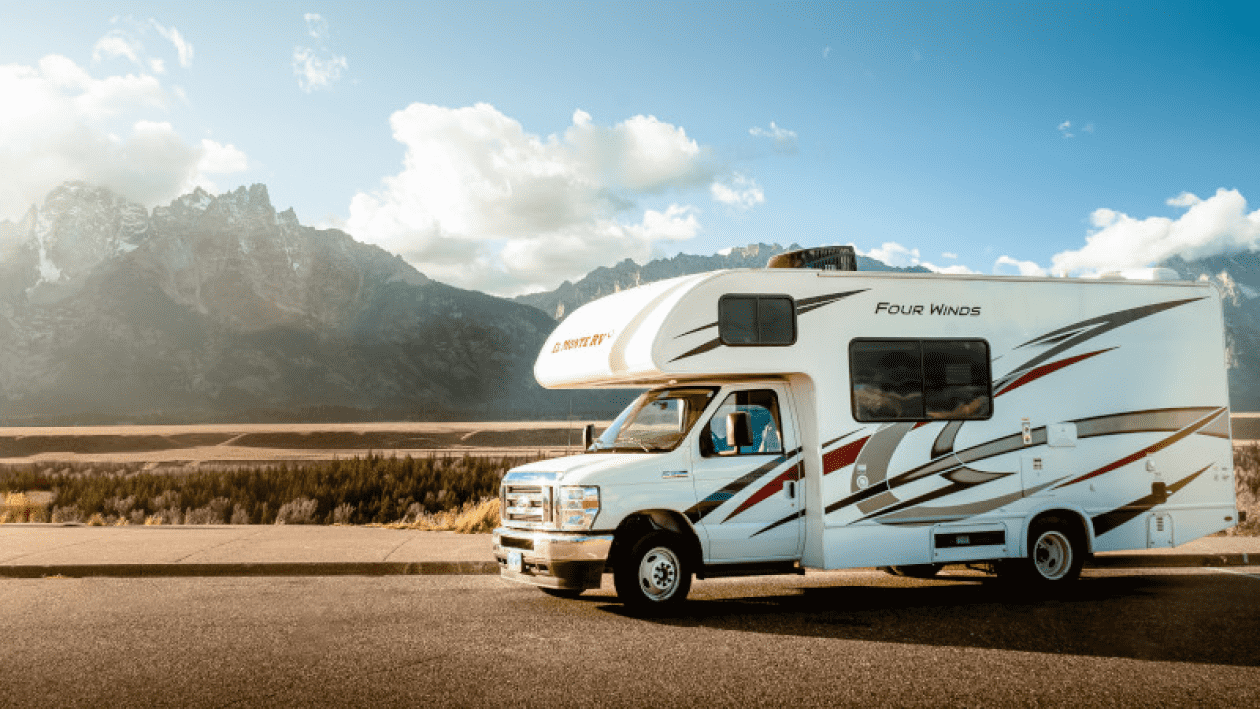
Exploring the Heart of Adventure: The Complete Guide to Class C RVs
Introduction: The Sweet Spot of the RV World
If you’ve ever walked through a campground or pulled into a rest stop on a cross-country trip, you’ve likely seen a particular type of motorhome that just feels… right. It’s not as towering as the massive Class A rigs, yet not as compact as a camper van. It sits confidently in between spacious but manageable, powerful yet inviting. That’s the Class C RV, and for many travelers, it’s the ideal balance of comfort, control, and capability.
The world of class c motorhomes is an interesting one a realm where practicality meets adventure. These RVs attract families, retirees, and even full-time nomads who crave something that feels like home but drives like a truck. The moment you step inside, there’s this quiet understanding: this is freedom without excess.
Still, if you’re looking for a class c rv for sale, you’ll quickly realize that the market is packed with choices from sleek, modern diesel models to vintage gas-powered classics that hold their value through sheer reliability. But which one’s right for you? And what makes a Class C stand out in the first place?
Let’s dig deeper not just into the specs, but into the soul of these road legends.
Understanding the Class C RV: More Than a Middle Ground
It’s easy to call Class C motorhomes “the middle option,” but that’s like calling a guitar “just another instrument.” In truth, Class C rigs hold their own distinct identity.
Typically built on a truck or van chassis, Class C RVs are instantly recognizable by the cab-over bunk that sleeping or storage area sitting above the driver’s cabin. It’s a design born out of function, maximizing space without dramatically increasing size.
Most models range between 22 and 33 feet in length, striking a balance between maneuverability and comfort. You can drive one without feeling like you’re piloting a bus. Yet, inside, there’s often enough room for a queen bed, a full kitchen, a shower, and even slide-outs that expand the living area.
The first time you take the wheel of a Class C, you’ll notice something special. The driving position feels natural, almost familiar like an oversized SUV. There’s a confidence in how it handles. It’s approachable. That’s what pulls so many new RVers in: the sense that you can actually do this.
Key Features That Define Class C Motorhomes
There’s a reason Class C RVs have stood the test of time. Decade after decade, they’ve delivered the comfort of a small apartment in a form that’s easy to drive and maintain. Let’s unpack what really sets them apart.
1. The Cab-Over Bunk
This signature feature gives Class Cs their instantly recognizable shape. Whether it’s used as a cozy sleeping nook for kids or a smart storage compartment, it’s a brilliant use of space. Many newer models even convert the area into an entertainment setup or extra headroom.
2. Full Living Amenities
Even compact versions often include a kitchen, bathroom, sleeping areas, and dining space. Some rival small apartments in comfort, complete with solid-surface countertops, LED lighting, and built-in smart TVs.
3. Versatile Floor Plans
The best class c motorhomes offer dozens of layout options. You’ll find bunkhouse models for families, couple-focused versions with huge rear bedrooms, and even off-road-oriented builds with all-terrain tires and solar setups.
4. Built-In Generator and Utilities
Class Cs are designed for independence. Most include onboard generators, propane systems, and freshwater tanks, letting you camp off-grid for days at a time.
5. Accessible Maintenance
Since they’re often built on recognizable chassis from Ford, Mercedes-Benz, Chevrolet, or RAM, servicing them is less complicated than you’d think. You can walk into many standard service centers and find parts easily a major advantage over some exotic Class A platforms.
Class C vs. Other RV Types: Where It Fits
Let’s be honest buying an RV isn’t just about features; it’s about fit. What feels right for you?
Class A Motorhomes
These are the big boys bus-style luxury rigs that command attention. They’re perfect for those who want maximum space and aren’t afraid of driving something 40 feet long. But they can be intimidating and expensive to maintain.
Class B RVs
Essentially camper vans, they’re nimble and fuel-efficient, but space is limited. Perfect for solo travelers or couples who prefer simplicity.
Class C RVs
Right in the middle the “Goldilocks” choice. Big enough for comfort, small enough to maneuver easily. They offer the feel of a small home without the overwhelming footprint of a Class A.
I’ve seen countless families trade down from large coaches to a Class C simply because it feels more natural to live in and maintain. It’s a case where less really is more.
Driving Experience: Confidence Behind the Wheel
One of the most overlooked joys of owning a class c rv is how approachable it feels on the road. Thanks to the truck-style cab, visibility is excellent, and the controls are intuitive. For drivers transitioning from regular cars or SUVs, the learning curve is surprisingly short.
You’ll often hear owners say, “It drives like a big van.” That’s true. You don’t feel detached from the road the way you might in a Class A motorhome. You feel engaged you’re part of the drive, not just along for the ride.
And when it comes to parking? It’s still big, sure, but far from unmanageable. Many Class C owners regularly pull into grocery store lots or compact RV parks without stress. For cross-country explorers who like spontaneity being able to pull over and explore without scouting huge parking areas this flexibility matters.
Living Comfort: Making It Feel Like Home
Step inside a well-designed Class C, and you’ll feel it instantly this balance of warmth and functionality. The interiors aren’t just practical; they’re designed with genuine living in mind.
Many models use smart design touches: convertible dinettes, murphy beds, overhead storage, and skylights that make small spaces feel open. It’s this blend of comfort and cleverness that defines the Class C spirit.
Whether you’re watching a storm roll over the desert from the dinette or brewing morning coffee while parked by a mountain lake, there’s a sense of peace. The walls may be close, but the world outside feels boundless.
Power and Performance: Under the Hood
Here’s where things get technical but in a good way. Most class c motorhomes are powered by gasoline or diesel engines, depending on the chassis.
- Gasoline Models (Ford E-350/E-450)
- These are common, affordable, and reliable. Easy to maintain, with service networks all over the country.
- Diesel Models (Mercedes-Benz Sprinter, Ford Transit Diesel)
- These tend to be more fuel-efficient and luxurious. The engines last longer, and you’ll often find advanced driver-assist features and smoother handling.
In either case, Class Cs generally have strong towing capabilities, ranging from 3,500 to 7,500 pounds. That means you can bring along bikes, kayaks, or even a small car for city exploring.
Who Are Class C RVs Really For?
When you talk to seasoned RVers, there’s no one “type” of person who loves Class Cs but there are a few clear groups who thrive in them:
- Families: The cab-over bed, multiple sleeping zones, and durable interiors make it perfect for kids.
- Retirees: Easy to handle, comfortable for long stays, and great for cross-country touring.
- Adventure Travelers: Many off-grid Class Cs come with solar panels, lithium batteries, and rugged suspension.
- Weekend Warriors: For those who want a home-on-wheels ready for spontaneous trips.
What’s beautiful is that Class C RVs are adaptable. You can outfit them for mountain biking weekends or full-time digital nomad life. It’s not about what you can fit inside it’s about what the RV lets you do outside.
The Search: Finding the Right Class C RV for Sale
Now for the fun part the hunt. When looking for a class c rv for sale, you’ll find options at every price point. From brand-new models loaded with tech to gently used rigs that have already proven themselves on the road.
Here’s what to keep in mind:
1. New vs. Used
New models come with warranties, modern designs, and the latest tech. But depreciation hits fast up to 20% the first year.
Used Class Cs can offer incredible value. A well-maintained 5-year-old unit can perform just as well as new at a fraction of the price.
2. Gas or Diesel
Gas rigs are cheaper upfront and easier to repair; diesel versions cost more but deliver better fuel economy and longevity.
3. Layout and Slide-Outs
Pay close attention to how the space feels when the slides are in. Some floor plans feel cramped during travel stops, while others stay open and usable.
4. Mileage and Maintenance
A 40,000-mile Class C that’s been serviced properly can be a better buy than a 15,000-mile RV that sat idle and developed issues. Always request maintenance records.
5. Brand Reputation
Manufacturers like Winnebago, Thor Motor Coach, Coachmen, Forest River, and Jayco dominate this category for a reason. They’ve perfected the balance between design, durability, and value.
And don’t underestimate your own gut feeling. Sometimes, you just know when you’ve found the right one. The seat feels right, the kitchen layout makes sense, and you can already picture your first sunrise breakfast in it.
Used Camper Vans vs. Class C RVs: A Subtle Distinction
People often confuse “used camper vans” with smaller Class Cs and it’s easy to see why. The two share similar dimensions and mobility, but there’s a key difference.
Camper vans (Class B) are built entirely within the van’s original body compact, minimalistic, and agile. Class C RVs, on the other hand, are built on a van or truck chassis but with a custom coach body. This gives them more interior space and versatility.
So, if you’re browsing listings and see “used camper vans for sale,” know that while they share spirit, they don’t quite share scale. If you need a real bedroom, a shower, and space for four, a Class C wins every time.
Cost Breakdown: What to Expect Financially
Money always matters — and in the RV world, it pays to be realistic.
- Entry-Level New Class C RVs: $90,000–$130,000
- Mid-Range Diesel or Luxury Gas Models: $140,000–$200,000
- Premium or Super C Models (built on heavy-duty chassis): $250,000–$350,000+
- Used Models (3–8 years old): $50,000–$100,000 depending on condition and features
Ownership costs include insurance, storage, fuel, and maintenance. Budget at least $1,000–$1,500 annually for upkeep though much depends on how often you use it.
The truth is, buying a Class C RV isn’t about pure economics. It’s about buying access access to national parks, coastlines, festivals, and quiet corners of the world that hotels can’t reach.
Maintenance and Longevity: Keeping It Rolling
If you treat your Class C with respect, it’ll reward you with decades of service. Routine checks make all the difference:
- Change oil and filters regularly (every 5,000–7,500 miles)
- Inspect roof seals twice a year
- Flush holding tanks and sanitize water systems
- Keep tires properly inflated and replace them every 5–7 years
The beauty of a Class C’s truck foundation is how mechanically familiar it feels. You can often handle small repairs yourself, and major work is within reach of regular auto shops.
Some owners name their rigs and for good reason. After thousands of miles together, they stop feeling like machines and start feeling like trusted companions.
Trends in the Class C Market
The modern Class C world is evolving fast. Here’s what’s shaping it:
- Compact “C-minus” Models: Built on Ford Transit or Mercedes Sprinter chassis smaller, sleeker, and efficient.
- Eco-Friendly Builds: Solar panels, lithium batteries, and hybrid power systems are now mainstream.
- Luxury Interiors: Marble-look finishes, heated floors, and upgraded insulation.
- Tech Integration: Touchscreen controls, smart thermostats, and wireless monitoring systems.
And perhaps most importantly the surge in remote work has changed everything. More people are living full-time on the road, blending careers with adventure. Class C motorhomes are the perfect vessel for that lifestyle.
Real-World Wisdom: Lessons from the Road
You can read spec sheets all day, but talk to anyone who’s lived in a Class C for a while and they’ll tell you it’s the little things that matter most.
How easily you can make coffee in the morning. How the dinette doubles as a laptop space. How the view out your window changes daily.
These rigs aren’t about perfection; they’re about possibility. They’re the difference between waiting for vacation and living it every weekend.
Where to Start Your Search
If you’re ready to find a class c rv for sale, start by exploring:
- Local dealerships They’ll often let you test drive, compare floor plans, and walk through multiple models.
- Online marketplaces RVTrader, Camping World, and Facebook Marketplace have massive inventories.
- Private sellers Great for scoring deals on well-loved rigs (just be sure to get a pre-purchase inspection).
- RV shows Ideal for seeing dozens of models side-by-side and talking directly with manufacturers.
Take your time. Bring a checklist, but also bring your instincts. A Class C isn’t just transportation it’s a lifestyle choice.
Final Thoughts: The Spirit of the Class C RV
When all’s said and done, the Class C RV isn’t about compromise it’s about balance. It’s the perfect intersection of freedom and familiarity, adventure and comfort.
For many, it’s not just a vehicle; it’s a passport to a slower, more intentional way of living. Whether you’re crossing states or just heading up the coast for a long weekend, a Class C turns the journey itself into the destination.
They remind us that travel doesn’t always have to be extravagant to be extraordinary sometimes, it’s just about having your home wherever you park it.
Keep an eye for more latest news & updates on Techsslash!