Maximizing Your Lawn with Aeration
Aeration is a critical process in lawn care that involves perforating the soil with holes to allow air, water, and nutrients to penetrate down to the roots. This practice is essential for maintaining a healthy lawn, as it alleviates soil compaction, which can hinder root growth and limit the availability of essential resources. Compacted soil can lead to a host of problems, including poor drainage, reduced oxygen levels, and stunted grass growth.
By aerating the lawn, homeowners can significantly improve the overall health and vitality of their grass. The importance of aeration extends beyond just improving the physical structure of the soil. It also plays a vital role in promoting microbial activity within the soil ecosystem.
Healthy soil is teeming with beneficial microorganisms that help decompose organic matter, fix nitrogen, and enhance nutrient availability. When soil is compacted, these microorganisms struggle to thrive, leading to an imbalance that can affect plant health. Aeration creates an environment conducive to microbial activity, fostering a thriving ecosystem that supports robust grass growth.
The Benefits of Aeration for Your Lawn
Aeration offers numerous benefits that contribute to a lush and vibrant lawn. One of the most significant advantages is improved water infiltration. One Sydney turf supplier stated when soil is compacted, water tends to run off rather than soaking in, leading to puddles and erosion.
Aeration creates channels in the soil that allow water to penetrate more deeply, ensuring that grass roots receive adequate moisture during dry spells. This improved water retention can be particularly beneficial during periods of drought or in regions with sandy soils that drain quickly. In addition to enhancing water absorption, aeration also promotes better nutrient uptake.
Fertilizers and organic amendments are more effective when they can reach the root zone of the grass. By creating openings in the soil, aeration allows these nutrients to penetrate deeper, making them more accessible to the grass roots. This results in healthier, greener grass that is better equipped to withstand environmental stressors such as heat, drought, and disease.
Furthermore, aeration can help reduce thatch buildup—a layer of dead grass and organic matter that can suffocate the lawn if it becomes too thick.
When and How Often to Aerate Your Lawn
The timing and frequency of aeration depend on several factors, including grass type, climate, and soil conditions. Generally, the best time to aerate cool-season grasses is during the early spring or fall when the grass is actively growing. For warm-season grasses, late spring or early summer is ideal.
Aerating during these periods allows the grass to recover quickly from the stress of the process and take full advantage of the benefits that aeration provides. As for how often to aerate your lawn, it typically depends on the level of foot traffic and soil compaction present. Lawns that experience heavy foot traffic or are located in clay-heavy soils may require aeration once or twice a year.
Conversely, lawns with lighter use or sandy soils may only need aeration every couple of years. Observing your lawn’s health and performance can help determine the appropriate aeration schedule; if you notice signs of compaction or poor growth, it may be time to aerate.
Different Aeration Methods and Equipment
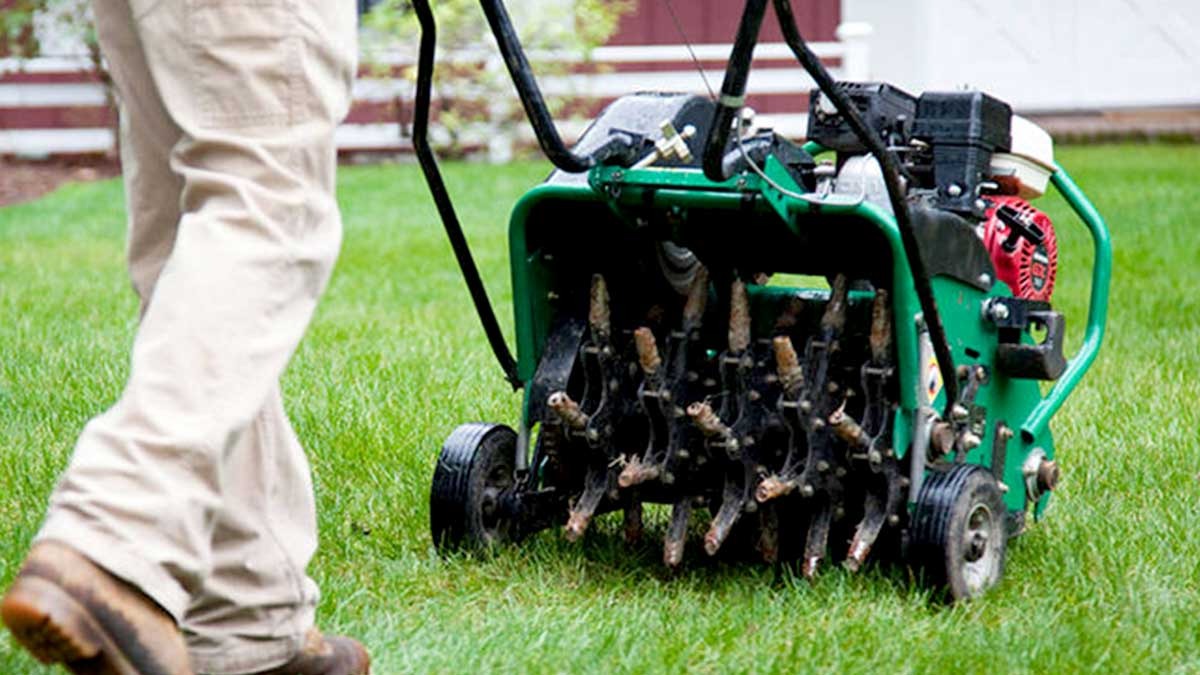
There are two primary methods of aeration: core aeration and spike aeration. Core aeration involves using a machine that removes small plugs of soil from the lawn, creating holes that allow for better air and nutrient penetration. This method is generally considered more effective because it alleviates compaction while also removing thatch.
The plugs left on the surface can decompose over time, further enriching the soil. Spike aeration, on the other hand, involves using a tool with spikes that puncture the soil without removing any material. While this method can provide some benefits by creating holes for air and water, it may not be as effective in relieving compaction as core aeration.
For homeowners looking to invest in equipment for aeration, core aerators are available for rent at many garden centers and equipment rental stores. These machines come in various sizes, from walk-behind models for small lawns to larger tow-behind versions for expansive properties.
Preparing Your Lawn for Aeration
Before beginning the aeration process as part of soft landscaping, it is essential to prepare your lawn adequately. Start by mowing your grass to a shorter height than usual; this will make it easier for the aerator to penetrate the soil effectively. Additionally, remove any debris such as leaves, sticks, or stones from the lawn surface to prevent damage to the equipment and ensure a smooth operation.
It is also advisable to water your lawn a day or two before aerating. Moist soil is easier to penetrate than dry soil, allowing for more effective aeration. However, avoid overwatering; overly saturated soil can lead to additional compaction and may hinder the aerator’s performance.
A well-prepared lawn will not only facilitate a smoother aeration process but will also enhance the overall effectiveness of the treatment.
Post-Aeration Care and Maintenance
After aerating your lawn, proper care is crucial for maximizing its benefits. One of the first steps is to leave the soil plugs on the surface; they will break down over time and return valuable nutrients back into the soil. Avoid raking them up immediately after aeration; instead, allow nature to take its course.
Following aeration, it’s an excellent time to apply fertilizer or organic amendments since these nutrients can now reach deeper into the soil where they are most needed. Watering your lawn after fertilization will help activate these nutrients and promote their absorption by the grass roots. Additionally, consider overseeding your lawn after aeration; this practice can help fill in bare spots and improve overall density by introducing new grass varieties that may be better suited to current conditions.
Troubleshooting Common Aeration Issues
While aeration is generally beneficial for lawns, some common issues may arise during or after the process. One frequent concern is uneven results where some areas appear more compacted than others despite aeration efforts. This can occur if certain sections of the lawn were not adequately covered during the process or if there was insufficient moisture in those areas prior to aeration.
To address this issue in future sessions, ensure even coverage by overlapping passes with the aerator and adjusting your watering schedule accordingly. Another issue homeowners may encounter is excessive thatch buildup even after aerating. If thatch remains a problem despite regular aeration practices, it may be necessary to implement additional strategies such as dethatching or increasing organic matter in the soil through compost applications.
Monitoring your lawn’s health regularly will help identify these issues early on so you can take corrective action before they escalate.
When considering whether to hire a professional service for lawn aeration or tackle it as a DIY project, several factors come into play. Professional services often have access to high-quality equipment and expertise that can yield superior results compared to what an average homeowner might achieve with rented equipment. They are also familiar with local soil conditions and grass types, allowing them to tailor their approach for optimal outcomes.
On the other hand, DIY aeration can be a cost-effective option for those who enjoy hands-on lawn care and have some experience with gardening tools. Renting an aerator can be relatively affordable, especially if you have a smaller lawn or plan to aerate only once a year. However, it’s essential to weigh your comfort level with operating machinery against potential time savings and quality results offered by professionals.
Ultimately, whether you choose to hire out or do it yourself will depend on your specific circumstances, including budget constraints and personal preferences regarding lawn maintenance.