Electrical Home Improvements: Safety Upgrades, Modern Wiring, and Smart Installations
Electrical systems are the foundation of every modern home. They power lighting, appliances, entertainment systems, security devices, heating and cooling equipment, and an increasing number of smart technologies. Yet many homeowners overlook the condition of their electrical systems until problems arise. Flickering lights, overloaded outlets, frequent breaker trips, or outdated wiring are often warning signs that should never be ignored.
Investing in electrical home improvements is about far more than convenience. It improves safety, increases energy efficiency, supports modern technology, raises property value, and prepares a home for future needs. Whether you own an older property or are building a new one, upgrading your home’s electrical infrastructure is one of the smartest long-term investments you can make.
This comprehensive guide explores electrical safety upgrades, modern wiring solutions, smart home installations, and practical tips for creating a safer, more efficient, and future-ready home.
Why Electrical Home Improvements Matter
Electricity powers nearly every aspect of daily life. As households continue adding computers, gaming systems, smart appliances, electric vehicles, and home offices, older electrical systems often struggle to keep up with increased demand.
Electrical improvements provide several important benefits:
- Enhanced family safety
- Reduced risk of electrical fires
- Better protection against electric shock
- Improved energy efficiency
- Greater convenience
- Increased home value
- Support for smart home technology
- Better performance for modern appliances
Rather than waiting for electrical failures, proactive upgrades help prevent expensive repairs and dangerous situations.
Common Signs Your Home Needs Electrical Upgrades
Many homeowners unknowingly live with outdated electrical systems. Some warning signs are easy to recognize, while others require professional inspection.
Common indicators include:
- Frequently tripping circuit breakers
- Flickering or dimming lights
- Warm outlets or switches
- Burning smells near electrical fixtures
- Two-prong outlets without grounding
- Lack of sufficient outlets
- Extension cords used permanently
- Buzzing sounds from outlets or panels
- Rust or corrosion around the electrical panel
- Old fuse boxes instead of breaker panels
If your home is more than 30 years old and has never undergone electrical modernization, an inspection is highly recommended.
Understanding Your Home’s Electrical System
Before making improvements, it’s helpful to understand the major components.
Electrical Service Panel
Often called the breaker box, this distributes electricity throughout the home and protects circuits from overload.
Circuit Breakers
Breakers automatically shut off power when excessive current flows through a circuit.
Wiring
Electrical wires carry electricity from the panel to outlets, switches, fixtures, and appliances.
Outlets
Outlets supply electricity to electronics and appliances.
Switches
Switches control lighting and electrical devices.
Grounding System
Grounding safely redirects excess electrical current into the earth during faults.
Each component works together to ensure safe and reliable power distribution.
Electrical Safety Upgrades Every Home Should Consider
Safety should always be the highest priority.
Upgrade the Electrical Panel
Older electrical panels were not designed for today’s electrical demands.
Modern breaker panels provide:
- Higher electrical capacity
- Improved overload protection
- Better circuit organization
- Space for future expansion
- Enhanced reliability
Homes with numerous electronics often benefit from upgrading to a 200-amp service.
Install Ground Fault Circuit Interrupters (GFCIs)
GFCIs immediately disconnect power when they detect electrical leakage.
These outlets are essential in:
- Bathrooms
- Kitchens
- Laundry rooms
- Garages
- Basements
- Outdoor areas
They significantly reduce the risk of electric shock.
Add Arc Fault Circuit Interrupters (AFCIs)
Arc faults occur when damaged wiring creates sparks capable of igniting surrounding materials.
AFCIs detect dangerous arcs before they cause fires.
These breakers are especially valuable in:
- Bedrooms
- Living rooms
- Hallways
- Dining rooms
Many modern building codes now require AFCI protection.
Replace Outdated Wiring
Old wiring eventually deteriorates.
Common outdated wiring includes:
Aluminum Wiring
Found in many homes built during the 1960s and 1970s, aluminum wiring may loosen over time and create overheating risks.
Knob-and-Tube Wiring
Common in homes built before the 1940s, this wiring lacks modern insulation and grounding.
Cloth-Insulated Wiring
Older insulation can become brittle and unsafe after decades of use.
Replacing aging wiring greatly improves safety and reliability.
Install Tamper-Resistant Outlets
Homes with children benefit from tamper-resistant outlets.
These outlets contain built-in shutters that prevent foreign objects from entering electrical sockets.
They provide an extra layer of protection without affecting normal operation.
Add Whole-House Surge Protection
Power surges can occur due to lightning, utility issues, or large appliances cycling on and off.
Whole-house surge protectors help safeguard:
- Televisions
- Computers
- Refrigerators
- Smart home devices
- HVAC systems
- Kitchen appliances
This inexpensive upgrade can prevent costly damage.
Smoke and Carbon Monoxide Detector Improvements
Modern interconnected detectors communicate with one another.
If smoke is detected in one room, every alarm in the house activates simultaneously.
Many newer systems also send notifications directly to smartphones.
Modern Wiring Solutions
Modern wiring supports today’s technology while improving safety and efficiency.
Copper Wiring
Copper remains the preferred electrical conductor because it offers:
- Excellent conductivity
- Long lifespan
- Corrosion resistance
- Reliable performance
- Lower fire risk
Professional electricians typically recommend copper for new installations.
Structured Wiring
Structured wiring organizes multiple communication systems into one network.
It supports:
- Internet
- Television
- Security systems
- Audio systems
- Smart devices
- Telephone connections
This organized infrastructure simplifies future upgrades.
Dedicated Circuits
Large appliances should operate on dedicated circuits.
Examples include:
- Refrigerators
- Electric ovens
- Washing machines
- Dryers
- Air conditioners
- Electric vehicle chargers
Dedicated circuits prevent overloads and improve appliance performance.
Smart Electrical Installations
Smart technology has transformed modern homes.
Electrical improvements increasingly focus on automation, convenience, and energy management.
Smart Lighting
Smart lighting allows homeowners to control lights remotely.
Features include:
- Voice control
- Scheduling
- Motion activation
- Brightness adjustment
- Color customization
- Energy monitoring
These systems improve comfort while reducing electricity consumption.
Smart Switches
Unlike traditional switches, smart switches connect to home networks.
Benefits include:
- Remote operation
- Custom schedules
- Vacation mode
- Voice assistant integration
- Automation routines
Many can replace existing switches without extensive rewiring.
Smart Thermostats
Heating and cooling represent a major portion of household energy use.
Smart thermostats learn household routines and automatically adjust temperatures to maximize efficiency.
They also provide detailed energy reports.
Smart Electrical Panels
Next-generation electrical panels allow homeowners to monitor electricity usage in real time.
Features may include:
- Mobile monitoring
- Individual circuit tracking
- Remote breaker control
- Energy usage analysis
- Backup power management
These systems provide greater visibility into home energy consumption.
Electric Vehicle Charging Stations
As electric vehicles become more common, home charging stations are increasingly popular.
Benefits include:
- Faster charging
- Improved convenience
- Lower charging costs
- Increased property value
- Better compatibility with future vehicles
Most installations require a dedicated high-capacity circuit.
Backup Power Solutions
Power outages can disrupt daily life.
Homeowners now have several backup options.
Portable Generators
Suitable for temporary emergency use.
Standby Generators
Automatically activate during outages and power essential household systems.
Battery Storage Systems
Modern battery systems store electricity from solar panels or the utility grid for later use.
These provide quiet, environmentally friendly backup power.
Energy-Efficient Electrical Improvements
Reducing electricity usage benefits both homeowners and the environment.
Popular improvements include:
- LED lighting
- Occupancy sensors
- Smart plugs
- Programmable timers
- Efficient ceiling fans
- ENERGY STAR appliances
- Solar-ready electrical systems
Small upgrades often produce noticeable long-term savings.
Kitchen Electrical Improvements
Modern kitchens require significantly more electrical capacity than older designs.
Popular upgrades include:
- Additional countertop outlets
- USB charging outlets
- Under-cabinet lighting
- Dedicated appliance circuits
- Smart lighting controls
- Improved ventilation wiring
Proper planning ensures safe operation of multiple appliances simultaneously.
Bathroom Electrical Upgrades
Bathrooms require specialized electrical protection due to moisture.
Recommended improvements include:
- GFCI outlets
- Exhaust fan upgrades
- Heated floor wiring
- Smart mirrors
- LED vanity lighting
- Waterproof lighting fixtures
Safety remains the highest priority in wet environments.
Outdoor Electrical Improvements
Outdoor electrical installations expand living spaces while improving convenience.
Popular projects include:
- Landscape lighting
- Security lighting
- Outdoor outlets
- Pool electrical systems
- Patio ceiling fans
- Outdoor entertainment wiring
- Garden lighting automation
All outdoor installations should use weather-resistant equipment.
Home Office Electrical Improvements
Remote work has increased demand for reliable electrical systems.
Useful upgrades include:
- Dedicated computer circuits
- Surge protection
- Additional outlets
- Cable management
- Backup power supplies
- High-speed networking infrastructure
A properly designed workspace improves productivity and protects valuable equipment.
Electrical Safety Tips for Homeowners
Even modern electrical systems require responsible use.
Follow these simple safety practices:
- Never overload outlets.
- Replace damaged cords immediately.
- Test GFCI outlets monthly.
- Avoid running cords under rugs.
- Keep electrical devices away from water.
- Use properly rated extension cords only temporarily.
- Schedule periodic electrical inspections.
- Teach children basic electrical safety.
Simple habits can prevent many household electrical accidents.
Benefits of Professional Electrical Upgrades
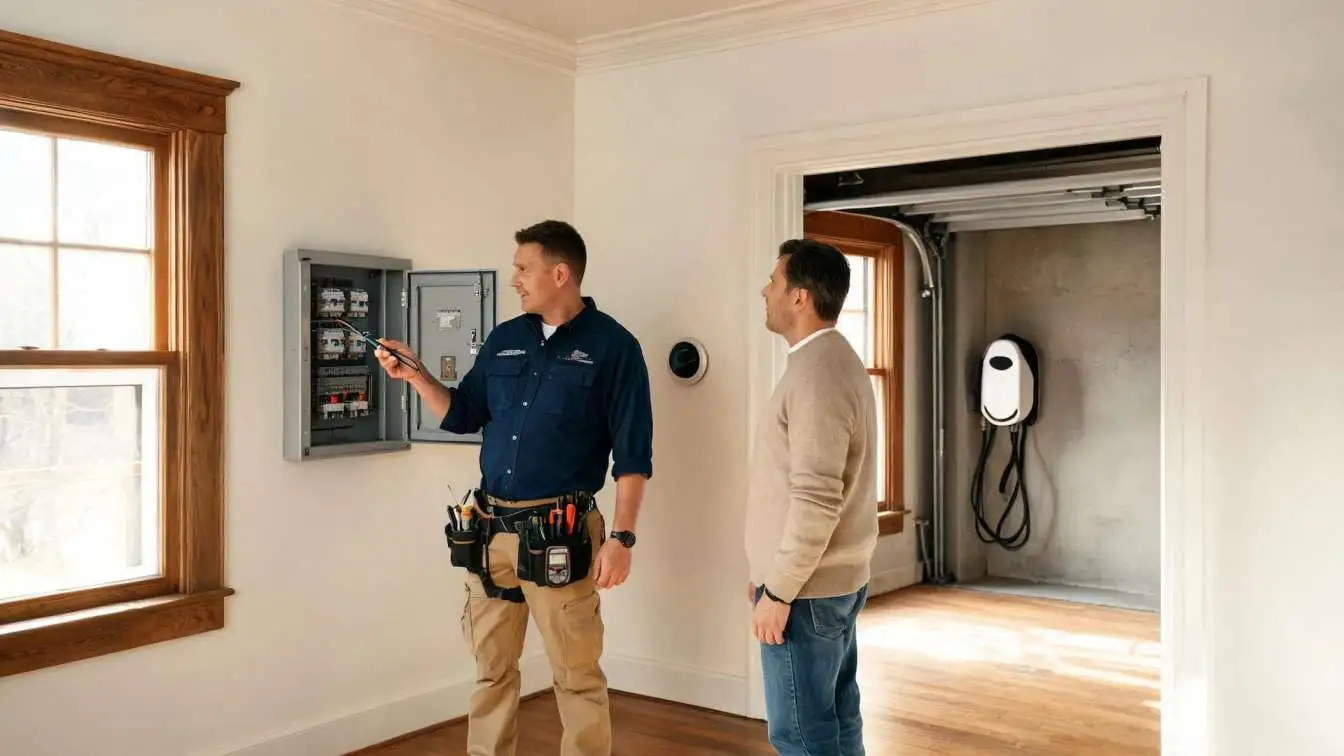
While small tasks like changing light bulbs are safe for homeowners, major electrical work should always be handled by licensed professionals.
Professional installation ensures:
- Code compliance
- Proper permits
- Safe wiring practices
- Accurate load calculations
- Reliable testing
- Manufacturer warranty protection
- Long-term system performance
Improper electrical work can create hidden hazards that may not become apparent until years later.
Planning an Electrical Home Improvement Project
Before beginning any project, consider the following steps:
- Evaluate your home’s current electrical capacity.
- Identify safety concerns.
- Plan for future technology needs.
- Create a realistic budget.
- Prioritize essential upgrades first.
- Hire a qualified electrician.
- Schedule inspections where required.
- Keep records of all improvements.
Proper planning reduces unexpected costs and ensures each upgrade supports future expansion.
Future Trends in Residential Electrical Systems
Technology continues to reshape residential electrical design.
Emerging trends include:
- AI-powered energy management
- Solar battery integration
- Smart electrical panels
- Wireless lighting controls
- Whole-home automation
- Vehicle-to-home power systems
- Advanced energy monitoring
- Greater use of renewable energy
Homes built or renovated today should be designed with flexibility to accommodate these evolving technologies.
Conclusion
Electrical home improvements are among the most valuable investments a homeowner can make. Upgrading outdated wiring, improving electrical safety, modernizing breaker panels, and installing smart technologies create a home that is safer, more efficient, and better prepared for the future. While many homeowners focus on visible renovations such as kitchens or flooring, a reliable electrical system provides the hidden infrastructure that keeps every room functioning smoothly. By prioritizing safety, planning for future electrical demands, and investing in quality installations, homeowners can enjoy greater peace of mind, lower energy costs, and a more comfortable living environment for many years to come.