Is Your Website Halal-Compliant? The Overlooked Cultural Layer in UAE Web Design
Dubai is famous for being a highly modern, international city. You can walk down the street and hear dozens of different languages, eat food from every corner of the earth, and do business with global mega-corporations. Because of this international vibe, many foreign business owners make a critical assumption when setting up their companies here. They assume that Western marketing rules apply perfectly to the Middle East. When they hire a website designer Dubai, they ask for a standard global website. They use the same pictures, the same aggressive sales copy, and the same visual structures they use in Europe or America. This is a massive mistake that quietly alienates a huge percentage of the local market.
Despite its towering skyscrapers and global mindset, the UAE is an Islamic country deeply rooted in Arab culture and religious traditions. For the local Emirati population and millions of Muslim expatriates living in the region, faith is not just a background concept; it dictates how they live, how they spend their money, and who they trust.
If your website ignores this cultural layer, you create an invisible barrier between your brand and the buyer. We call this barrier a lack of “digital halal compliance.” While most people associate the word “halal” strictly with food, in the business world, it means ensuring your operations, your marketing, and your digital presence respect Islamic values. In this blog, we will explore the often-overlooked cultural details in web design, from modest imagery to financial transparency, and explain how aligning with these values builds unbreakable trust with the UAE audience.
Understanding Digital Halal Beyond Food
When a Muslim consumer visits a website, they are subconsciously looking for alignment with their values. If a website promotes something that clashes with Islamic principles, it instantly breaks trust. This does not mean your website needs to look like a religious text. It simply means your digital presence must be culturally sensitive, respectful, and highly aware of the local environment.
Many foreign companies fail at this immediately. They launch their UAE websites with pictures of people drinking alcohol at corporate events, or they promote financial services that violate Sharia law. When a local user sees this, they do not just ignore the specific product; they leave the entire website because the brand feels completely out of touch with their reality. Here is how you must adjust your digital strategy to respect the local culture.
1. Modesty in Visuals and Imagery
The fastest way to show a local user that you do not understand their culture is through poor image choices. Visual communication is powerful, and in the UAE, the concept of modesty is highly respected. A website that uses overly revealing stock photos or culturally inappropriate lifestyle shots will be silently rejected by the local market.
Selecting Respectful and Modest Photography: When choosing images for your homepage, especially in industries like fashion, fitness, or hospitality, you must select photos where the models are dressed modestly, avoiding beachwear or overly revealing clothing that would be considered disrespectful in a traditional Middle Eastern setting.
Accurate Representation of Local Dress Codes: If you decide to use pictures of Emiratis wearing traditional clothing like the Kandura (for men) or the Abaya and Shayla (for women), you must ensure the photos are completely accurate; using cheap, western stock photos where the models are wearing the traditional garments incorrectly looks like a bad Halloween costume and deeply offends local users.
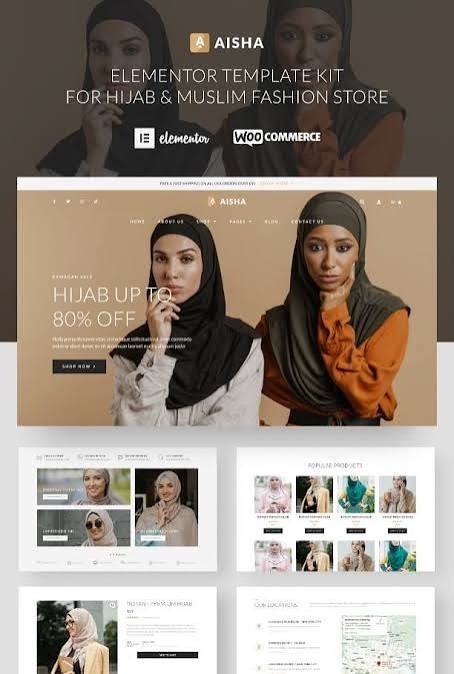
Respecting Family Dynamics in Visuals: In Arab culture, the family unit is highly private and deeply respected, so if your website uses lifestyle images of families, they should reflect a wholesome, conservative, and respectful dynamic rather than overly intimate or informal western-style family photos.
Avoiding Haram (Forbidden) Elements in Backgrounds: You must carefully scan every single photo and video on your website to ensure there are no alcohol bottles on the tables, no gambling elements in the background, and no inappropriate symbols, as even a small, blurred wine glass in a restaurant photo can ruin a Muslim customer’s trust in your brand.
2. Financial Offerings and Sharia Compliance
If you operate in the finance, real estate, or banking sectors, cultural alignment is not just about pictures; it is about strict legal and religious compliance. Islamic finance prohibits the charging or paying of interest (Riba) and forbids investing in unethical industries. If your website fails to communicate how your financial products respect these rules, you will lose the entire local demographic.
Clear Separation of Islamic and Conventional Finance: If your business offers both standard western financial products and Sharia-compliant products, your website navigation must clearly and cleanly separate the two sections, ensuring a Muslim investor never accidentally clicks on an interest-bearing loan product.
Eliminating the Language of Interest (Riba): When writing your sales copy for the local market, you must completely remove words like “interest rates” or “high-yield interest” from your Arabic pages, replacing them with culturally accurate terms like “profit rates” or “expected returns” that align with Islamic banking structures.
Highlighting Ethical and Halal Investments: Muslim investors care deeply about where their money goes, so your website must explicitly state that your investment portfolios do not fund gambling, alcohol, or other prohibited industries, providing absolute peace of mind through total transparency.
Transparent Pricing with No Hidden Fees (Gharar): Islamic law strictly forbids extreme uncertainty or deception in business (Gharar), meaning your e-commerce checkout page or service pricing must be completely transparent, clearly listing every single tax and fee upfront so the buyer never feels tricked at the final step.
3. Adapting to the Islamic Calendar and Local Events
A website should not be a static, frozen document. To truly connect with the UAE market, your website must live and breathe alongside the local culture. The Islamic calendar drives the rhythm of life in Dubai. If your website ignores major cultural events like Ramadan or Eid, your brand will look cold, foreign, and disconnected from the community.
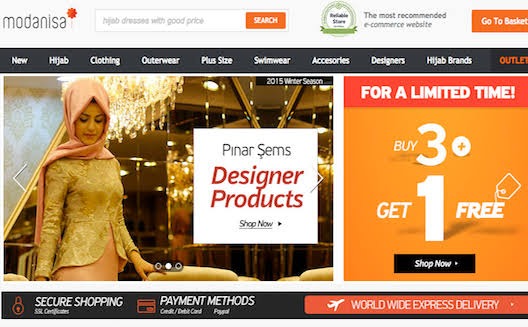
Dynamic Ramadan Adjustments: During the holy month of Ramadan, the entire city changes its pace; your website should reflect this by adapting its opening hours, changing its visual banners to offer respectful Ramadan greetings, and shifting the tone of its marketing to focus on family, charity, and reflection rather than aggressive consumerism.
Adjusting Automated Communication Times: Because people fast during the day and stay awake late into the night during Ramadan, your website’s automated email systems and chat support must be reprogrammed to send messages and respond to inquiries during the late evening hours when the local population is actually active and online.
Culturally Relevant Promotions: Instead of running a random “Spring Sale” that makes no sense in the Dubai climate, a culturally aware website will align its major sales campaigns and digital discount codes with Eid Al Fitr and Eid Al Adha, matching the exact moments when local families are actively looking to buy gifts.
4. Language, Tone, and Respectful User Paths
Finally, the actual words you use and how you speak to the user must reflect the formal respect that is highly valued in Arab culture. The casual, overly familiar tone used by many American tech startups often feels rude or pushy to a traditional Middle Eastern buyer.
Formal and Respectful Arabic Translation: When translating your website into Arabic, you cannot use casual street slang; the text must be translated into Modern Standard Arabic with a tone that is highly polite, formal, and respectful, honoring the dignity of the reader.
Avoiding Aggressive High-Pressure Sales Tactics: Popups that scream “Buy Now or Miss Out Forever!” are viewed as deeply annoying and disrespectful in a culture that values relationship-building; your website must use softer, more inviting calls to action like “Discover More” or “Speak to Our Advisors.”
Gender-Respectful UX Paths: For certain local services, such as home healthcare, fitness, or personal tailoring, local users strongly prefer to be served by someone of the same gender; your website form must include a simple, polite option allowing the user to request a male or female representative, proving that you deeply understand their personal boundaries.
Conclusion: Cultural Alignment is Your Greatest Advantage
Building a successful website in Dubai requires you to look far beyond the code, the colors, and the modern animations. It requires a deep psychological understanding of the people who actually live here. You cannot force a one-size-fits-all global template onto a region with such rich, specific, and deeply held traditions.
When you ignore the cultural layer, you are silently turning away thousands of high-quality local customers who simply do not feel comfortable doing business with you. They will not send you an email to complain; they will just close the tab and find a local competitor who understands them better.
By making your website culturally sensitive—by choosing modest imagery, respecting Islamic financial rules, adapting to the local calendar, and using a deeply respectful tone—you do something incredibly powerful. You prove to the local market that you are not just a foreign company trying to take their money. You prove that you respect their home, you honor their values, and you are here to build a long-term, trustworthy relationship. That level of cultural respect is the ultimate conversion tool in the UAE.
Keep an eye for more latest news & updates on Techsslash!