The Connection Between Home Design Choices and Future Maintenance Costs
When people plan a new home or renovation project, they often focus on appearance, comfort, and immediate expenses. A beautiful kitchen, stylish flooring, modern lighting, or an attractive exterior can completely change how a home feels. However, one important factor is often ignored: how those design choices will affect future maintenance costs.
Every decision made during home design has a long-term impact. The materials selected, the layout created, the technology installed, and even small design details can determine how much time and money a homeowner spends on repairs and upkeep years later. A smart design is not only about creating a beautiful space; it is about creating a home that remains practical, durable, and affordable to maintain.
Why Home Design Decisions Matter for Long-Term Maintenance
A home is a long-term investment, not just a one-time project. Many homeowners spend significant amounts on construction or remodeling but fail to consider what happens after the work is completed.
For example, choosing a low-cost flooring material may reduce initial expenses, but if it scratches easily, absorbs moisture, or requires frequent replacement, the total cost can become much higher over time. Similarly, a complex architectural design may look impressive but could create more areas that require cleaning, inspection, and repair.
Good home design considers the entire lifecycle of a property. This means thinking about:
- How often materials need maintenance
- How easily damaged areas can be repaired
- Whether replacement parts are available
- How the design handles weather and daily use
- Whether future upgrades will be simple or expensive
A well-planned home reduces unnecessary maintenance problems and helps homeowners protect their investment.
Material Selection Has a Major Impact on Future Expenses
The materials used in a home are among the biggest factors affecting maintenance costs. Different materials have different lifespans, cleaning requirements, and repair needs.
For example, natural stone countertops may provide a premium appearance, but some types require regular sealing to prevent stains and damage. On the other hand, engineered materials may offer similar visual appeal with less maintenance.
The same applies to flooring choices. Hardwood floors can add warmth and value to a home, but they may require refinishing after years of use. High-quality tiles might have a higher upfront cost but can last decades with minimal maintenance.
Exterior materials are equally important. A homeowner who chooses weather-resistant siding, durable roofing materials, and quality exterior finishes may spend less on repairs caused by rain, sunlight, temperature changes, and moisture.
The cheapest option is not always the most affordable option. Long-term performance should always be part of the design decision.
Home Layout Can Affect Cleaning and Repair Costs
The layout of a home influences how easy it is to maintain. A practical design can save homeowners time and money, while a complicated layout can create unnecessary challenges.
For example, large open spaces with fewer unnecessary corners are usually easier to clean compared to designs with many small sections, decorative elements, and difficult-to-reach areas.
Bathrooms and kitchens especially benefit from thoughtful planning. Poor ventilation, limited access behind fixtures, or cramped layouts can create moisture problems that lead to mold, damaged surfaces, and expensive repairs.
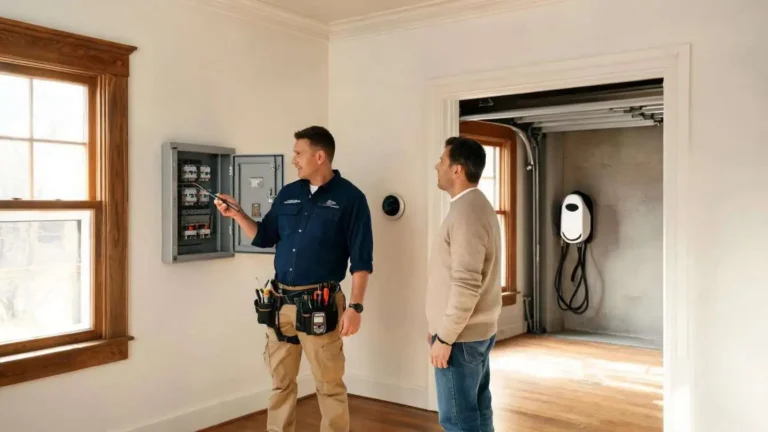
A well-designed home should provide easy access to important systems such as:
- Plumbing connections
- Electrical panels
- Heating and cooling equipment
- Water shut-off points
- Storage areas
When maintenance professionals can easily access these areas, repairs become faster and less expensive.
Energy-Efficient Design Can Lower Maintenance Expenses
Energy efficiency is often discussed as a way to reduce electricity bills, but it can also influence maintenance costs.
Proper insulation, efficient windows, quality ventilation systems, and smart temperature controls help reduce stress on home systems. When heating and cooling equipment does not need to work constantly, it may experience less wear and require fewer repairs.
For example, energy-efficient windows can help maintain indoor temperatures while also reducing problems caused by condensation and moisture buildup. Proper insulation can protect walls and ceilings from temperature-related damage.
Modern homeowners are increasingly considering energy-efficient designs because they provide both immediate savings and long-term protection.
Smart Technology Requires Careful Planning
Smart home technology has become a popular part of modern home design. Automated lighting, security systems, smart thermostats, and connected appliances can improve convenience, but poor planning can create future maintenance issues.
Installing too many separate systems from different manufacturers may make troubleshooting more difficult. Some devices may become outdated quickly, creating replacement challenges.
A better approach is selecting reliable technology with strong support, regular updates, and compatibility with future upgrades.
Smart design is not about adding the most devices possible. It is about choosing technology that improves daily life without creating unnecessary maintenance problems.
Exterior Design Choices Influence Repair Frequency
The outside of a home faces constant exposure to weather conditions. Rain, heat, wind, snow, and humidity can gradually damage poorly designed structures.
Roof design, drainage systems, landscaping choices, and exterior finishes all influence future repair costs.
For example, poor water drainage around a property can lead to foundation problems. A beautiful garden design that places plants too close to walls may create moisture issues or damage exterior surfaces.
Simple decisions, such as proper roof slopes, effective gutters, and suitable outdoor materials, can prevent expensive repairs later.
Designing for Future Changes Saves Money
A home that can adapt to future needs is often cheaper to maintain. Families change, technology improves, and lifestyles evolve. A flexible design allows homeowners to make updates without major reconstruction.
Examples include:
- Creating multipurpose rooms
- Installing accessible electrical outlets
- Leaving space for future equipment upgrades
- Using timeless design elements instead of short-lived trends
A home designed with future possibilities in mind can reduce renovation costs when changes become necessary.
The Importance of Balancing Beauty and Practicality
A visually impressive home is enjoyable, but appearance should not come at the expense of functionality. Some design trends may look attractive initially but create additional maintenance responsibilities.
High-maintenance finishes, delicate materials, and complicated features may require more cleaning, repairs, and professional care.
The best home designs combine:
- Attractive appearance
- Durable materials
- Easy maintenance
- Efficient systems
- Practical everyday use
This balance helps homeowners enjoy their space while avoiding unnecessary future expenses.
Final Thoughts
Home design choices are not only about creating a beautiful environment today. They influence the amount of money, time, and effort required to maintain a property for many years.
From selecting durable materials to planning efficient layouts and choosing reliable technology, every decision contributes to the future condition of a home. Smart homeowners and designers look beyond the initial project cost and consider the complete lifecycle of their choices.
A well-designed home is one that continues to perform, remain comfortable, and require fewer expensive repairs as the years pass. Good design is not just about how a home looks when it is finished; it is about how well it serves the people living inside it long into the future.