Modular Home Additions vs Traditional Extensions: Which Option Fits Modern Renovation Needs?
As families grow and lifestyles change, many homeowners eventually need more space. A growing family may require an extra bedroom, a home office, a larger kitchen, or a dedicated entertainment area. Instead of moving to a new property, expanding the existing home has become a popular solution.
When planning additional space, homeowners usually face an important decision: should they choose a modular home addition or a traditional extension built directly on-site?
Both options can increase living space and improve property value, but they involve very different construction methods, timelines, costs, and long-term considerations. Understanding the differences can help homeowners choose the right approach based on their budget, location, design goals, and future plans.
What Is a Modular Home Addition?
A modular home addition is a pre-built structure manufactured in a controlled factory environment and then transported to the property for installation. These additions are constructed in sections, sometimes called modules, which are assembled together on-site.
Unlike temporary structures, modern modular additions are designed to meet building standards and can include:
- Bedrooms
- Bathrooms
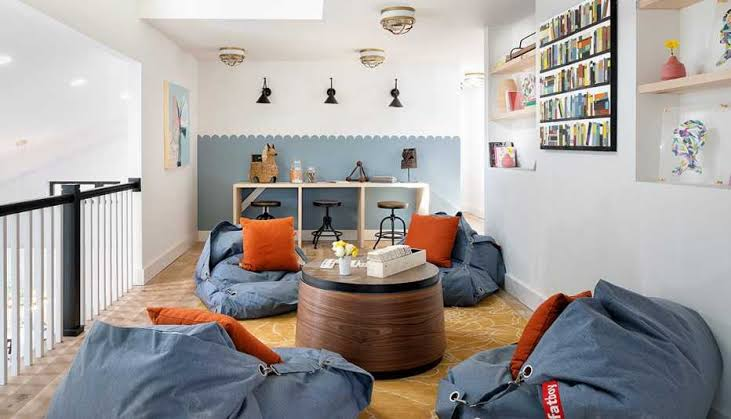
- Home offices
- Living rooms
- Kitchen expansions
- Garage additions
- Multi-purpose spaces
The main difference is that much of the construction happens away from the property. Walls, flooring, electrical systems, insulation, and interior finishes can often be completed before the module arrives at the home.
What Is a Traditional Home Extension?
A traditional extension is built completely on-site by contractors and construction teams. This method involves expanding the existing structure by adding new rooms or extending current areas of the house.
Traditional extensions are commonly used for:
- Rear house expansions
- Side additions
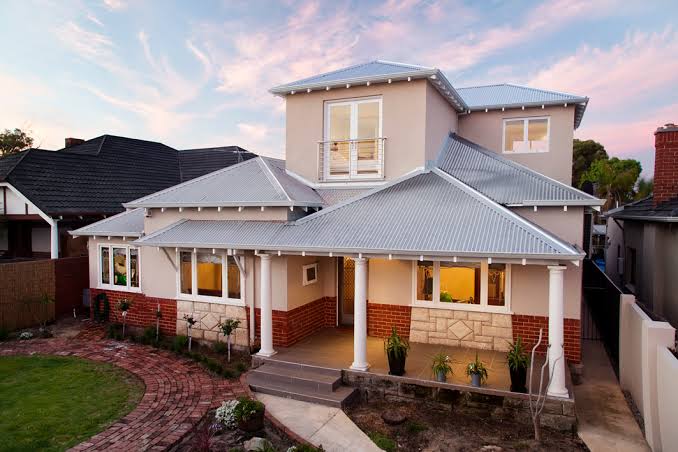
- Second-story additions
- Kitchen expansions
- Luxury renovations
- Custom architectural designs
Because everything is built from the ground up at the property, homeowners have more control over every detail of the project.
Construction Process Comparison
The construction process is one of the biggest differences between modular additions and traditional extensions.
Modular Addition Process
A typical modular addition involves:
- Designing the addition according to homeowner requirements
- Factory construction of the module
- Preparing the foundation and site
- Transporting the completed structure
- Connecting utilities and finishing installation
Since manufacturing happens indoors, weather delays are usually reduced. Many projects can be completed faster because multiple construction steps happen at the same time.
Traditional Extension Process
A traditional extension usually requires:
- Architectural planning
- Obtaining permits
- Site preparation
- Foundation work
- Structural construction
- Electrical and plumbing installation
- Interior finishing
- Final inspections
This process gives homeowners customization freedom but often takes longer due to weather conditions, labor availability, and project complexity.
Cost Differences Between Modular Additions and Traditional Extensions
Cost is often one of the biggest deciding factors for homeowners.
Modular additions can sometimes reduce construction expenses because factory production improves efficiency. Materials are purchased in bulk, labor processes are streamlined, and construction waste can be lower.
However, modular projects still involve additional costs such as:
- Transportation fees
- Crane installation
- Foundation preparation
- Utility connections
- Site accessibility requirements
Traditional extensions may have higher labor costs because workers complete every stage on-site. Unexpected issues, such as discovering poor soil conditions or outdated wiring, can also increase expenses.
The final price of either option depends on:
- Size of the addition
- Material quality
- Location
- Design complexity
- Local labor rates
- Permit requirements
A cheaper option upfront is not always the best long-term choice. Homeowners should compare total project costs rather than only the initial estimate.
Design Flexibility and Customization
Design freedom is where traditional extensions often have an advantage.
With a traditional build, homeowners can create highly customized spaces that match the existing architecture. They can choose unusual layouts, unique materials, special ceiling designs, and complex structural changes.
Modular additions have improved significantly, but they usually work best with practical designs. Factory construction requires planning because major changes after production begins can be difficult or expensive.
However, modern modular companies now offer many styles, finishes, and layouts that can blend naturally with existing homes.
Quality and Durability Considerations
Many people assume factory-built structures are lower quality, but this is not always true.
Modular additions are built in controlled environments where materials are protected from rain, moisture, and other weather-related issues. Consistent factory processes can also improve quality control.
Traditional extensions depend heavily on the skill and reliability of the construction team. A highly experienced contractor can deliver excellent results, but poor workmanship can create problems such as:
- Water leaks
- Uneven flooring
- Poor insulation
- Structural issues
- Finishing defects
The quality of both options depends on materials, engineering, installation, and professional expertise.
Which Option Is Faster?
For homeowners who need additional space quickly, modular additions often provide an advantage.
Because manufacturing happens while site preparation is underway, the overall timeline can be significantly shorter. A project that might take many months with traditional construction may be completed faster with modular methods.
Traditional extensions usually require more sequential steps. Each stage must typically be completed before the next begins, which can extend the project timeline.
However, planning, permits, and transportation requirements can still affect modular schedules.
Impact on Property Value
A well-designed home addition can increase property value regardless of construction method.
Buyers usually care more about:
- Quality of construction
- Functional space
- Design appeal
- Energy efficiency
- Integration with the existing home
A poorly designed extension can reduce the appeal of a property, while a high-quality modular addition can become a valuable feature.
Homeowners should focus on creating useful living space rather than simply adding square footage.
Environmental Considerations
Modular construction can offer environmental benefits because factory production often creates less material waste. Controlled manufacturing also allows better management of resources.
Traditional construction may produce more waste due to cutting materials and handling unpredictable site conditions.
However, sustainability depends on many factors, including:
- Material choices
- Insulation quality
- Energy efficiency
- Transportation distance
- Building lifespan
A well-designed traditional extension can still be environmentally responsible.
Common Mistakes Homeowners Should Avoid
Before choosing between modular and traditional construction, homeowners should avoid these common mistakes:
Choosing Only Based on Price
The cheapest option may create problems later if quality, durability, or design flexibility is sacrificed.
Ignoring Local Regulations
Every area has different building codes, zoning rules, and permit requirements. These should be researched before starting any project.
Forgetting Future Needs
A home addition should support future lifestyle changes, not only current problems.
Poor Planning of Utilities
Electrical, plumbing, heating, and cooling requirements should be considered early to avoid expensive modifications later.
Which Option Is Right for Modern Renovation Needs?
There is no single answer because every homeowner has different priorities.
A modular home addition may be the better choice for people who want:
- Faster installation
- Predictable construction timelines
- Reduced site disruption
- Efficient building processes
- Practical designs
A traditional extension may be better for homeowners who need:
- Complete design freedom
- Complex architectural changes
- Custom finishes
- Seamless integration with an older property
Final Thoughts
Modular home additions and traditional extensions both provide effective ways to increase living space without moving. The best choice depends on factors such as budget, timeline, design expectations, and property conditions.
Modular construction is becoming increasingly popular because it combines speed, efficiency, and modern building techniques. Traditional extensions remain a preferred option for homeowners who want maximum customization and complete control over the design.
Before making a decision, homeowners should evaluate their long-term goals, consult experienced professionals, and consider the total value the addition will bring to their property. A well-planned home expansion can improve comfort, functionality, and the overall quality of everyday living.